Lubricants
Graphene Applications for Friction Reduction
Graphene enhances the most prominent performance indicators for lubricants by reducing the coefficient of friction and wear, and increasing lifespan.
MARKET OVERVIEW
Lubricants, which includes greases, are substances that are used with all moving parts to reduce friction, wear, heat generation and energy loss.
$160 BILLION MARKET SIZE
Lubricants are used in various applications, including engines, gear boxes, hydraulics, bearings and machines.
Lubricant products include:
- Engine Oils
- Hydraulic Fluids
- Gear Oils
- Turbine Oils
- Metal-Working Fluids
- Greases
- Waxes
These products are formulated with specific additives and base oils to meet the requirements of different applications and operating conditions.
Features and Benefits of Lubricants with Graphene
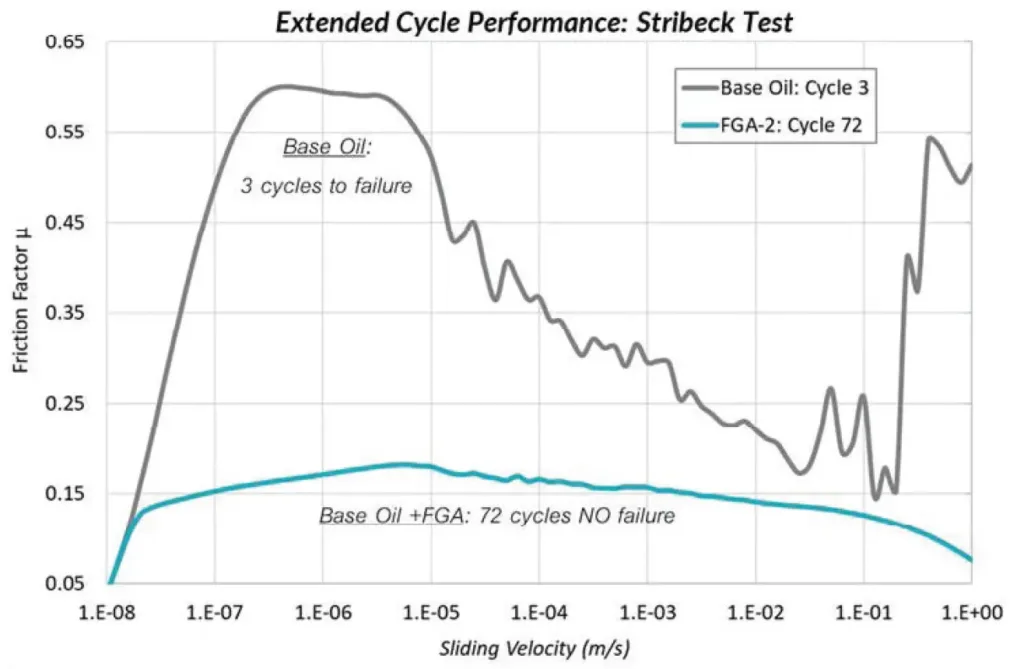
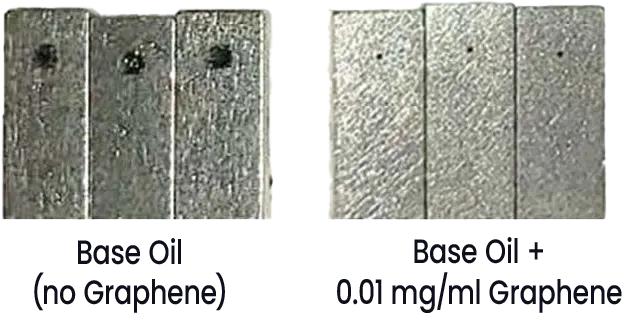
Graphene forms a protective layer, reducing friction and wear. Tests show that HydroGraph’s graphene in engine oil reduces the coefficient of friction by 55% and wear by 70%, respectively, reduces the coefficient of friction by up to 35% in wax, and improves high-load performance in greases.
By reducing friction and mechanical wear, parts will last longer, lowering maintenance and replacement costs. HydroGraph’s graphene showed over 24X more cycles over base oils in tests.
Graphene’s hydrophobicity (ability to repel water) provides a protective barrier against moisture, gases and other corrosive agents, preventing lubricant breakdown.
By reducing wear, graphene lubricants contribute to energy savings and efficiency, a desirable feature especially for automotive and industrial applications.
Graphene lubricants let machines, equipment, motors and engines operate longer between maintenance shutdowns, increasing output and reducing maintenance.
Longer-lasting lubricants enables the replacement of the toxic and environmentally damaging additives currently used in industry.
HydroGraph's Pristine Turbostratic Graphene in Action
Reduce wear by 70%
Lubricity Test Results: Wear Scars
Extend life by over 24X