
For R&D teams tired of chasing graphene’s promise through diminishing returns, ultra-low loading levels of Fractal Graphene™ may be the formulation breakthrough you stopped believing was possible.
Inspired by questions posed by innovative engineers, scientists and researchers across industries, this series is designed to provide salient answers to ignite your material change.
What was your “this changes everything” moment with HydroGraph technology?
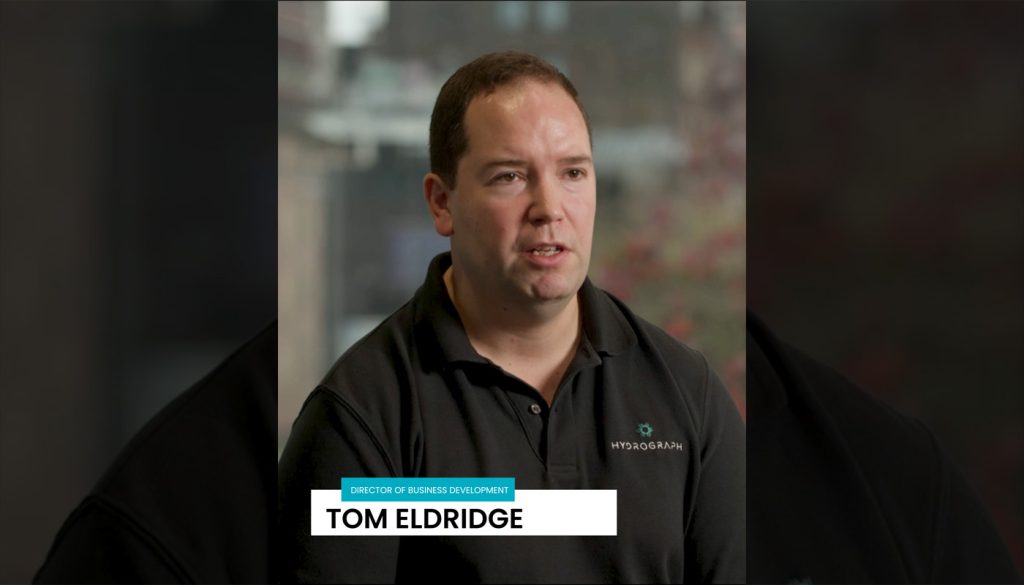
They said graphene would revolutionize lubricants, composites, coatings, concrete, energy storage, and biosensors. They weren’t wrong – they were just early, and they were using the wrong graphene. Tom Eldridge, Director of Business Development at HydroGraph, tells you exactly when the data made that crystal clear. Watch the moment a graphene veteran changes his mind.
The Dose Makes the Difference – and the Economics
Materials scientists are trained to optimize. More often than not, “optimize” means finding the minimum effective concentration that hits your performance target without blowing up your cost model. In biosensor design, that’s about sensitivity thresholds. In lubricant formulations, it’s about friction reduction at viable treat rates. In cement and concrete, it’s compressive strength gain per dollar of additive cost.
By that logic, ultra-low loading graphene applications aren’t just an academic curiosity – they’re the commercial unlock the industry has been waiting for.
That’s precisely what stopped Tom Eldridge, HydroGraph’s Director of Business Development and a veteran of the graphene space, in his tracks.
“It wasn’t until I really started seeing the application data coming out of the lab at the Graphene Engineering Innovation Center,” Tom explains in this month’s AMA video, “when the penny really dropped – and I could see that we’re able to use far lower concentrations of Fractal Graphene™ compared to what I had seen previously with conventional graphene nanoplatelets.”
For someone who’s seen a lot of graphene data, that’s not a small statement.
Your Assumptions May Have an Expiration Date
The best R&D teams in the world share a trait: they actively audit their own priors. They know that the material that failed a cost-benefit analysis in 2019 may have a completely different profile in 2026, and that the competitor who figures that out first doesn’t announce it – they launch a better product.
If your current innovation roadmap doesn’t include a fresh look at what high-purity, consistently produced, ultra-low loading graphene additives can do for your formulations, it may be time to revisit that decision.
Watch Tom Eldridge’s AMA video below and hear what the lab data looked like when his own assumptions expired.
Then ask yourself: what’s your “this changes everything” moment going to look like?
Have a burning question of your own?
Submit your question below and one of our subject matter experts will get back to you directly.